A physical fit is incomplete evidence
A remote cable can connect physically to another device without that device supporting the intended charging role. Apple's cable support guidance explicitly identifies the Apple TV HD exception.
Do not extend that statement into a claim about every USB-C port. Use the actual product's role and instructions rather than connector shape alone.
Identify the two ends
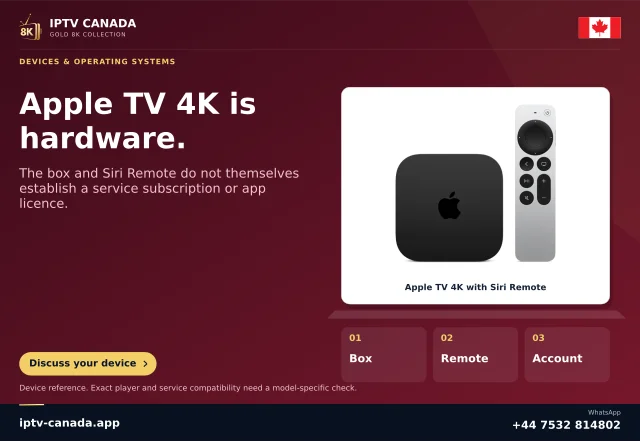
Record the remote generation and its charging connector, then identify the proposed source. Apple's third-generation remote specification describes suitable computer or power-adapter charging. Older remote connectors differ.
A silver remote, an Apple logo or the word USB is not sufficient to infer which arrangement applies.
Use the documented route
Charge through an appropriate source for the actual remote and cable. Keep the test focused on charging rather than simultaneously changing pairing and player settings.
If the remote still fails, inspect the model-specific troubleshooting instructions and whether system navigation responds. Do not claim a damaged battery from one unsuitable charging attempt.
Separate control mechanisms
Navigation can work while equipment volume does not, because volume may use a different IR or CEC path. That later symptom is not a direct battery measurement.
Likewise, a player control unreachable with the remote is an app-interface issue when ordinary system navigation works. Preserve those stages in support notes.
Keep the practical lesson narrow
A useful note identifies remote, cable and source, then reports the observed response after the supported charging route. Avoid inventing charging duration, adapter ratings or battery condition from the connector.
No hardware was tested here. The article explains one documented port-role exception and does not certify an accessory, recommend a purchase or provide a procedure for opening a rechargeable remote.
Keep a cable-role note with mixed hardware
A household can have a newer USB-C remote, an older Lightning remote and an Apple TV HD with a service connector. Record which cable belongs to which remote and which charging source is supported. This prevents a repeated failed attempt from being mistaken for a newly broken remote. When seeking help, state the exact source device as well as the remote. Saying it was plugged into USB leaves out the port-role distinction that makes this particular case meaningful.
Sources and scope
Scope notes distinguish published documentation, supplied information and editorial methods. They do not report a hands-on service test.
- Apple USB-C to Lightning cable — Official current support excerpt: Apple TV HD USB-C service port is not a Siri Remote charging source.
- Siri Remote third-generation specifications — Official current hardware excerpt: USB-C charging via computer or power adapter; no particular charging accessory tested.
- Charge the Apple TV remote — Official current Canadian excerpt: remote-generation-specific USB-C or Lightning charging.
- Apple TV remote equipment control — Official current guide excerpt: Auto/CEC/IR and learned volume-control routes with equipment qualifications.