The author explains the combined source
Quirk’s official television-and-film page identifies Ryan as showrunner and describes the combination of the novel’s plot with Ryan’s existing political-intrigue material. Netflix’s book-adaptation article likewise discusses what Ryan added for television. These primary accounts support a mixed creative process; they do not establish that every screen event appears in the source book.
If someone remembers a television character or scene, start with the screen episode rather than promising to find it by searching the novel. If someone wants a passage from Quirk’s book, retain the author, edition and chapter instead of substituting an episode synopsis.
Season numbers are television organisation
Netflix’s season 2 introduction describes a ten-episode television run and the continuation of Peter Sutherland’s screen story. Sony’s producer page continues to use the broad based-on-the-novel credit while presenting later television material. That general credit does not by itself identify a separately numbered second or third source novel.
Do not create a book 2 reading recommendation merely because the player says season 2. Locate an actual author or publisher record for a book before naming it. Equally, do not assume that every later episode has no literary relationship: the evidence here supports the combined adaptation process, not an exhaustive claim about the source of every scene.
Use the correct reference for a resume or comparison task
For television, preserve season, episode title and playback position. For reading, preserve the novel’s edition and passage. A recap explains selected events rather than supplying the complete episode, and an author interview explains production history rather than serving as the next instalment.
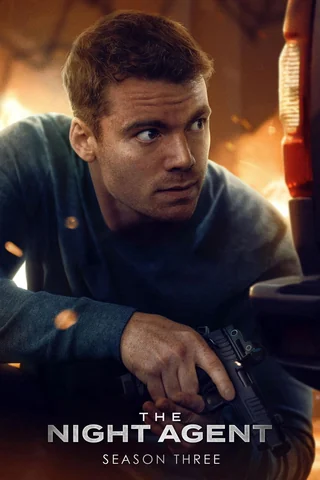
The collection artwork visibly says Season Three, so it is labelled as that image rather than evidence for season 2’s cast or episode count. Earlier-season facts come from their own official sources. No programme or novel was reviewed here, no chapter-to-scene comparison was tested and no Canadian account catalogue was inspected. The useful result is a source-aware reference that avoids inventing books or treating a broad adaptation credit as proof of literal scene equivalence.
Sources and scope
Scope notes distinguish published documentation, supplied information and editorial methods. They do not report a hands-on service test.
- MatthewQuirk: television adaptation account — Authors official indexed statement identifies combination ofbookplot and Ryans originalSecretService/politicalintrigue story.
- NetflixTudum: book adaptation process — Official retrieved article introduction and indexed description discuss Ryanadditions; no claim allseasons have nosourcematerial.
- NetflixTudum: season2 introduction — RetrievedJanuary23,2025 section identifies tenepisodes and screencontinuation; no inventednovelsequel.
- SonyPictures: TheNightAgent — Producers official current indexed page retains broadnovelcredit alongside laterTVmaterial; no currentCanadianaccessverified.