Keep the message as evidence
Preserve the sender identifier, time and wording privately, but do not forward a suspicious payment link broadly. If it contains personal information, avoid posting the screenshot publicly. Record whether you were expecting a renewal discussion.
A familiar display name or logo is not enough to establish identity. Compare the route with the one in your own records, using a known page or saved contact rather than a link supplied by the unexpected message.
Confirm the actual account facts
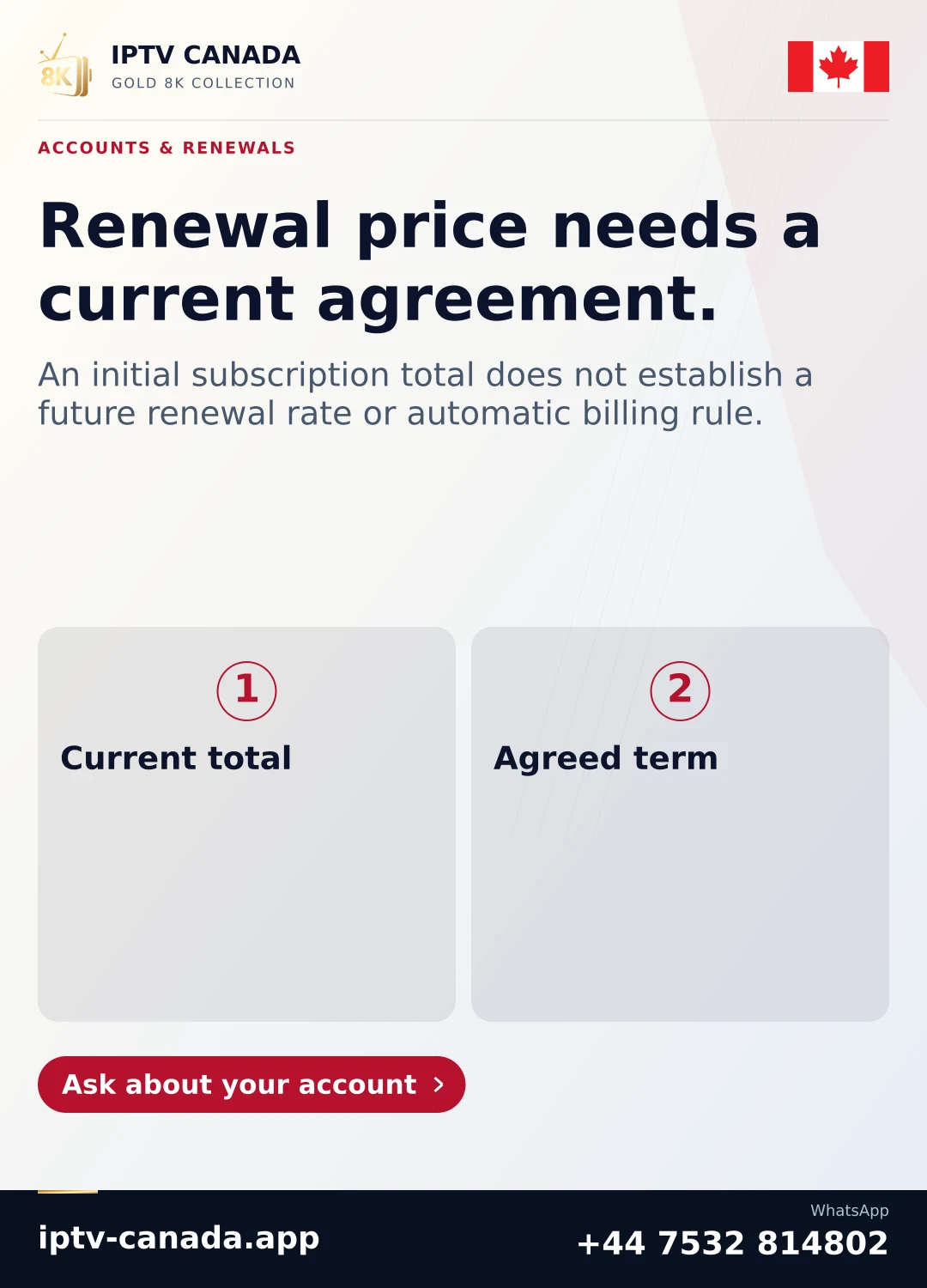
Ask which account and term the message concerns. Compare with the original agreement or last confirmed expiry information. If your records do not establish the renewal process, request clarification before treating the message as an invoice.
Check the currency and total independently. An approved new-plan price is not evidence that an unsolicited payment request is genuine, and a different amount should be reconciled before any transaction.
Protect unrelated credentials
Do not provide an email password, banking code or remote access to your phone simply because the message claims to be support. A payment problem should be handled through the actual payment provider’s documented process.
If you already entered unrelated credentials into a suspicious page, use the affected account provider’s recovery process from a known route. Address that exposure separately from the television playback issue.
Keep the outcome clear
A verified enquiry can establish the next step, but a sent message is not a receipt. Retain the confirmed terms and genuine payment record privately if you proceed. If the issuer says the message is unrelated, do not continue engaging with the sender.
This checklist does not label any specific received message as fraudulent. It provides a way to verify identity and account context before responding to a consequential request.
Related questions
Does a logo prove a message came from the provider?
No. Verify through the established route and your own account records.
Should urgency change the verification process?
No. A claimed deadline is a reason to check promptly, not to skip checking.
Sources and scope
Scope notes distinguish published documentation, supplied information and editorial methods. They do not report a hands-on service test.
- Get Cyber Safe: TVs and smart devices — Primary reference for the narrow fact identified in the article; the diagnostic workflow is editorial guidance, not a performed service test.