Identify the listening problem
There are at least three different complaints that sound like quiet dialogue: the entire output is too quiet, speech is masked by effects, or the selected audio track is wrong. Start by confirming the intended language and audible output device. Check that the TV, receiver or headphones are the device actually producing sound.
Choose one dialogue-heavy scene and a second passage with music or effects. Keep the master volume at a comfortable level. Do not use a live programme whose mix changes between comparisons. If the scene contains captions, they can help identify the same spoken line without requiring repeated volume increases.
Compare the processing controls
Apple TV's documented audio settings include dialogue enhancement and Reduce Loud Sounds, subject to hardware and software availability. Enhancement changes the presentation of the original mix; loudness reduction compresses the difference between louder and quieter passages. They serve different purposes, so change one at a time.
Play the reference speech with the option off, then with the available enhancement level. Listen for intelligibility, effects balance and distracting changes. Next evaluate loudness reduction using the effects passage. Keep a setting because it helps the listener, not because an option name sounds more advanced.
Avoid multiple processors fighting each other
A soundbar or television may apply its own dialogue mode, night mode or virtual surround effect. Write down which processors are active before adding another. When both devices alter the mix, it becomes difficult to tell which setting caused a hollow voice, reduced impact or excessive volume movement.
For a controlled comparison, simplify one processing stage temporarily and restore it afterward if needed. This is not a demand to abandon accessibility features. It is a way to identify the combination that helps the actual listener in that room.
When processing is not the answer
Speech missing from an otherwise audible multichannel programme can indicate an output or track issue rather than a need for stronger enhancement. Compare another known programme and, where available, its stereo track. Do not assume every title includes the same language, audio description or channel layout.
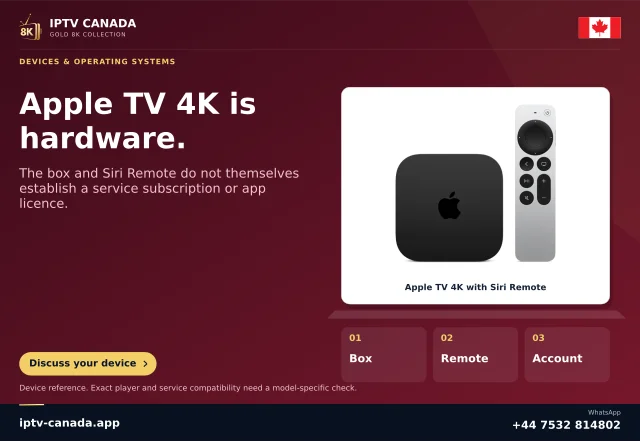
Record the Apple TV model, output device, selected track and the controls that improved or worsened the reference line. Features differ across hardware and releases; an absent menu is not proof that an app or subscription is broken. The result of this workflow is a personal listening configuration, not a measurement of a broadcaster's mixing quality or this site's certification of your sound system.
Sources and scope
Scope notes distinguish published documentation, supplied information and editorial methods. They do not report a hands-on service test.
- Apple TV 4K audio settings — Official support search excerpt: PCM, Dolby conversion, dialogue and output options; no particular receiver or service tested.
- Change subtitles or languages in the Apple TV app — Official support search excerpt: track selection and CC/SDH preferences; programme and region availability varies.