Cable and IPTV can both deliver live television, but they use different infrastructure and create different trade-offs. Cable is usually sold as a managed package with provider hardware. IPTV delivers television over an internet connection and commonly relies on a separate compatible player.
The basic technical difference
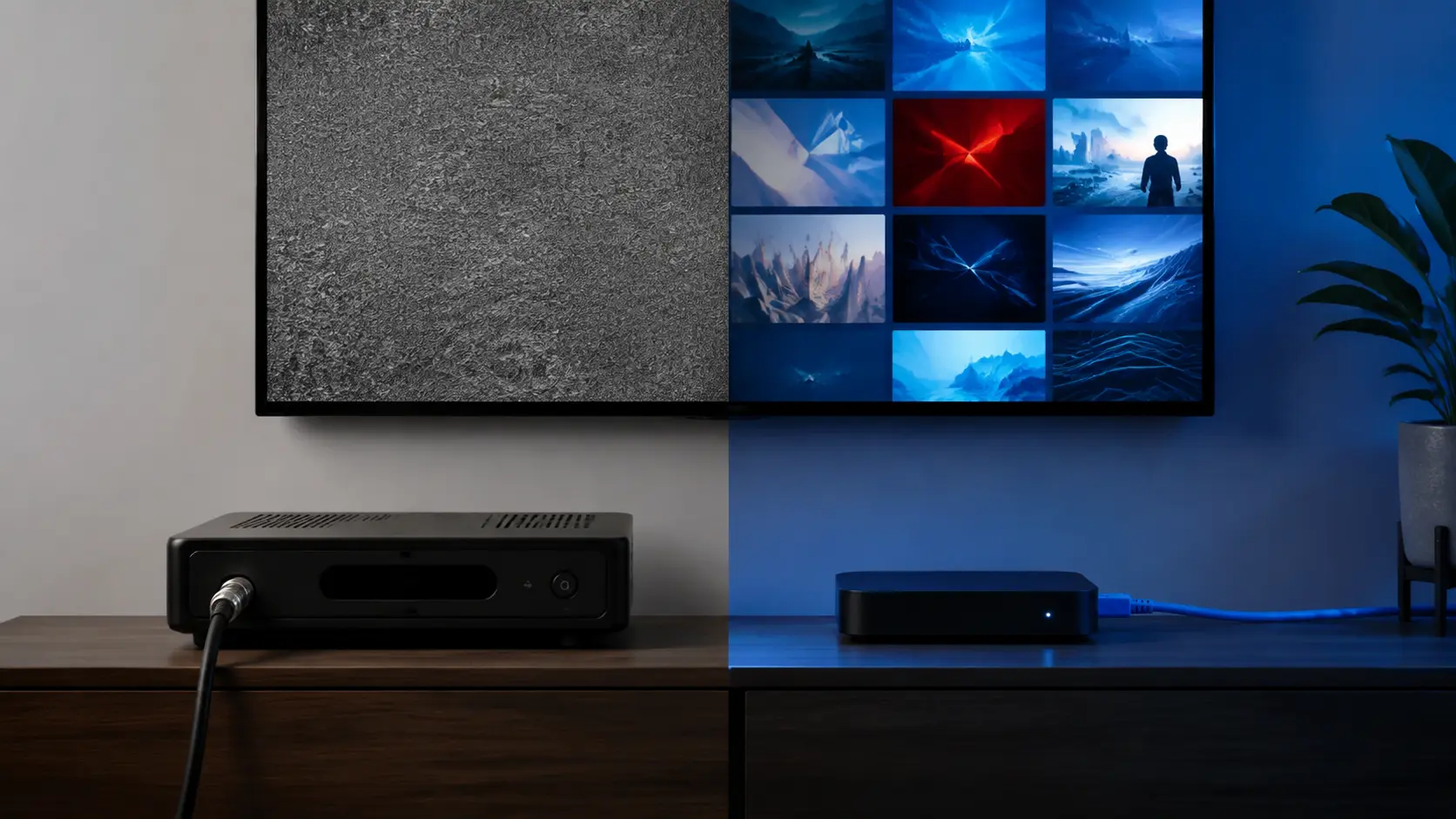
Traditional cable brings channels through the operator’s managed network and often uses a rented set-top box. An IPTV subscription sends streams over internet protocol. That makes IPTV flexible across supported televisions, streaming devices, phones and computers, but it also means local internet quality becomes part of the viewing chain.
| Area | IPTV subscription | Traditional cable |
|---|---|---|
| Delivery | Home internet | Managed cable network |
| Hardware | Compatible app or player | Often provider box |
| Portability | Can work across supported devices | Usually tied to installed service |
| Reliability factors | Source, internet, Wi-Fi, device and player | Provider network and local equipment |
| Guide and recording | Player and service dependent | Usually integrated by provider |
Compare the full cost, not one monthly number
For cable, include the package, receiver rental, installation, premium add-ons, taxes and any contract term. For IPTV, include the subscription, compatible player fee if applicable, streaming hardware and the internet service you already need. Longer IPTV plans can lower the monthly equivalent, but paying farther in advance also increases commitment.
When a site displays a discount, verify the original and current prices mathematically. Also confirm the currency. Canadian buyers should know whether the final charge is in CAD or converted by a bank or payment processor.
Picture quality has more than one bottleneck
Cable quality is managed within the provider’s system. IPTV quality depends on the source bitrate, household bandwidth, Wi-Fi conditions, device decoding power and player configuration. A 4K label does not force a stream, screen or connection to deliver true 4K. Use a trial to check motion, audio sync and stability on your own television.
Channel packages and on-demand libraries
Cable packages tend to have a defined regional lineup and formal add-ons. IPTV catalogs may combine live, regional, language and on-demand categories in one interface, and those catalogs can change. Check the specific categories you need rather than relying on a total count.
Setup and support
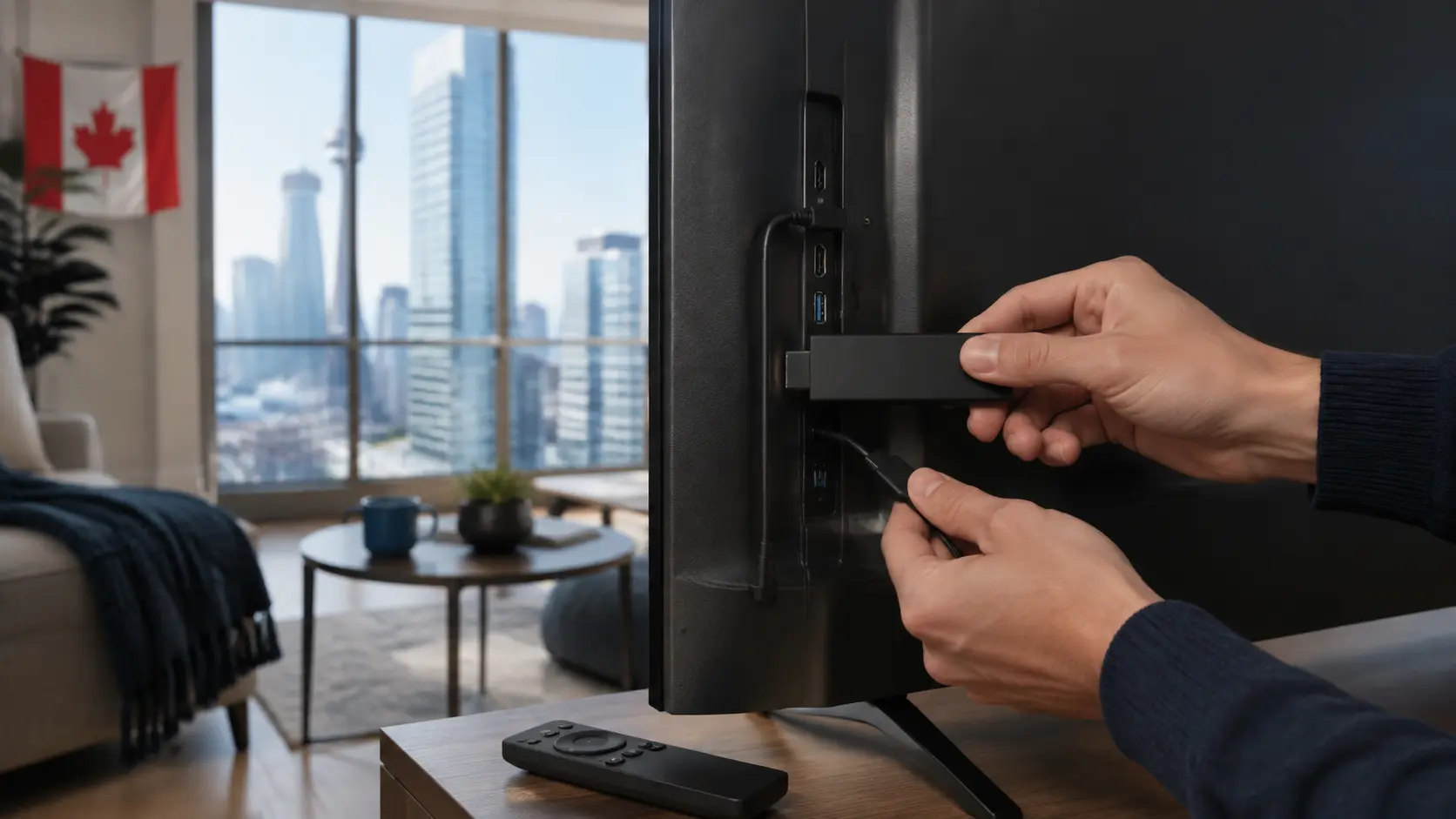
Cable installation is often handled by a technician or guided by the provider’s hardware. IPTV setup usually requires choosing an app, entering the supplied account method and waiting for the playlist and guide to load. A strong IPTV support page explains these steps for each platform and distinguishes subscription problems from player or home-network problems.
Contracts, cancellation and refunds
Read both options carefully. Cable may use a fixed service agreement, equipment return rules and early cancellation charges. Digital IPTV access may activate quickly and have narrower refund eligibility. Do not assume that “no contract” means an automatic refund at any time.
Which is the better fit?
Cable can suit a household that wants managed equipment, a familiar regional package and one provider responsible for the complete experience. IPTV can suit a household that values device choice, broad category browsing and internet-based setup. The best comparison is practical: list your required channels and features, calculate the real annual cost, and test IPTV on the device and network you will use.
Build a twelve-month cost comparison
Compare complete household cost rather than one promotional month. For cable, include the television package, receiver rental, installation, add-ons and any discount expiry. For IPTV, include the subscription, separate player licence if any, streaming hardware and the internet tier you would maintain anyway. Do not count the full internet bill as an IPTV-only cost when the household already needs that connection.
| Cost line | Cable question | IPTV question |
|---|---|---|
| Access | Monthly rate after promotion | CAD total for chosen period |
| Hardware | Receiver rental or purchase | Existing TV or streaming device |
| Software | Included interface | Separate player fee, if applicable |
| Exit | Cancellation and return rules | Digital refund and renewal terms |
Include reliability and household usability
Cost is only one outcome. Ask who in the household can navigate the remote, whether captions and audio controls are easy to reach, and what happens during an internet outage. Cable may offer a more managed equipment path; IPTV may provide more device choice. The better value is the option people can use confidently and support when something changes.
For regulated Canadian internet-service expectations, the CRTC Internet Code is a useful official reference. It does not evaluate an independent IPTV subscription, but it can help when comparing internet contracts that affect streaming.
Responsible-use note: IPTV is a delivery technology. Use services and content you are authorized to access. App availability, catalogs, EPG, catch-up and picture quality can change and should be checked on the current service.